Vietnam Strengthens Responsibility for Rural Water Supply and Sanitation
Clean water is fundamental to health, quality of life and sustainable development. Vietnam continues to strengthen rural water supply and sanitation through national strategies, infrastructure programs and public awareness initiatives.
Clean water is one of the fundamental conditions for the survival and development of life on Earth and is an important factor in national development. In other words, access to clean water has always accompanied human progress.
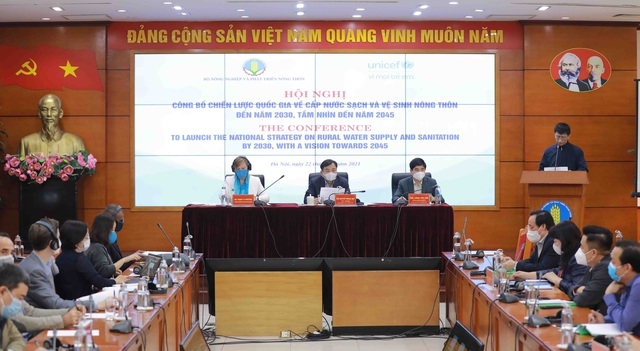
Vietnam's National Target Program on New Rural Development and programs and projects for rural clean water and sanitation have delivered significant results. Photo: Vietnam News Agency (VNA).
Over the years, through the National Target Program on Rural Clean Water Supply and Environmental Sanitation for the 1998-2015 periods, the National Target Program on New Rural Development, and other rural water and sanitation programs and projects, Vietnam has achieved notable progress in rural clean-water supply. By the end of 2021, 92.5% of rural residents had access to hygienic water and 54% used clean water meeting Ministry of Health standards.
On 24 November 2021, the Prime Minister approved the National Strategy for Rural Clean Water Supply and Sanitation to 2030, with a vision to 2045, under Decision No. 1978/QD-TTg. The strategy sets a target that by 2045, 100% of rural residents will have access to safe and sustainable clean water and sanitation.
From the perspective of the Vietnam Water Supply and Sewerage Association, several challenges remain in implementing the strategy: limited investment funding for development, upgrading and repair of rural water-supply facilities; insufficient attention to operation and management in some localities; water tariffs that do not fully recover costs; the impacts of climate change, including drought, water scarcity, saltwater intrusion, flooding and inundation; and deterioration of older facilities using outdated technologies.
Achieving the strategy's objectives requires coordinated solutions. One important measure is stronger communication to improve public awareness and encourage participation in using clean water responsibly and protecting water-supply infrastructure.
Against this background, the National Week for Clean Water and Environmental Sanitation, held from 29 April to 6 May, has been organized annually since it was launched by the Government in 1998 under the direction of the Ministry of Agriculture and Rural Development. The week plays an important role in improving understanding, responsibility, participation and commitment among families, communities, organizations and local authorities regarding the safe and sustainable management, operation and protection of rural water-supply and sanitation facilities. These efforts support public health, disease prevention, quality of life and sustainable development. The week also calls on communities to use clean water efficiently, maintain sanitation and practice good personal hygiene.
Activities during the National Week are implemented in diverse forms, including communications through newspapers, radio and television; banners and posters; distribution of documents and leaflets on rural clean water and environmental sanitation; and themed communication campaigns addressing issues of current concern to the water sector.
By the end of 2021, 92.5% of rural residents had access to hygienic water and 54% used clean water meeting Ministry of Health standards. Photo: VNA.
For the 2022 National Week for Clean Water and Environmental Sanitation, the Ministry of Agriculture and Rural Development selected the theme: “Sustainable management, operation and utilization of rural water-supply and sanitation facilities.”
Key messages for 2022
- Actively support the 2022 National Week for Clean Water and Environmental Sanitation.
- Strengthen the responsibility of authorities, sectors and communities in ensuring efficient water supply, sustainable sanitation and safe adaptation to disease risks.
- Sustainable operation and management of water-supply and sanitation facilities improve investment effectiveness and help prevent waste.
- Ensure safe and sustainable water supply and environmental sanitation that can respond to climate change and disease risks.
- Communities should work together to protect and monitor both the quantity and quality of water resources.
- Managing and protecting water-supply and sanitation facilities is both the responsibility and the right of every citizen.
- Using clean water and paying water-service charges in full are responsibilities that benefit families and communities.
- Protecting water sources and maintaining environmental sanitation means protecting the health of yourself and your family.
- For your health, wash your hands regularly with soap and clean water.
Author: Ha Thanh Hang, M.Sc., Vice President of the Vietnam Water Supply and Sewerage Association.
Source: tapchinuoc.vn